β--PPH 還元熱融着ソケット継手 1.6MPa
この継手は、直径が変化する際の流れの乱れを軽減するように設計されています。同心減速機の設計は、優れた流量特性と高い圧力定格を提供するため、ガスおよび...

プラスチック製パイプ継手には通常、ティー、エルボ、カップリング、フランジ、キャップ、クロス、ユニオンなどの製品が含まれます。パイプラインを接続するための必須コンポーネントとして、特定の継手の選択はアプリケーション シナリオによって異なります。
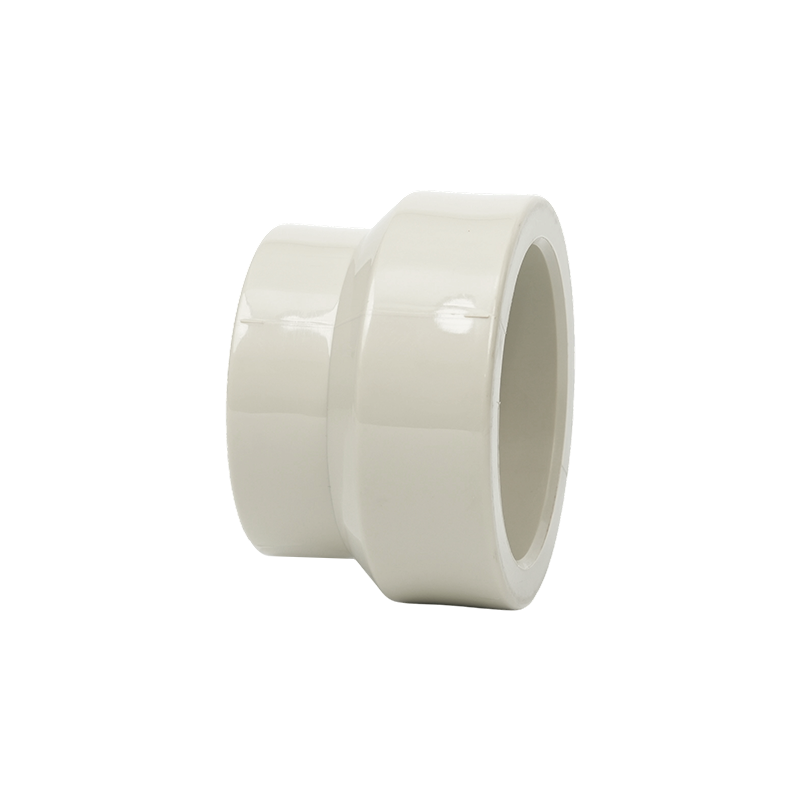
この継手は、直径が変化する際の流れの乱れを軽減するように設計されています。同心減速機の設計は、優れた流量特性と高い圧力定格を提供するため、ガスおよび...
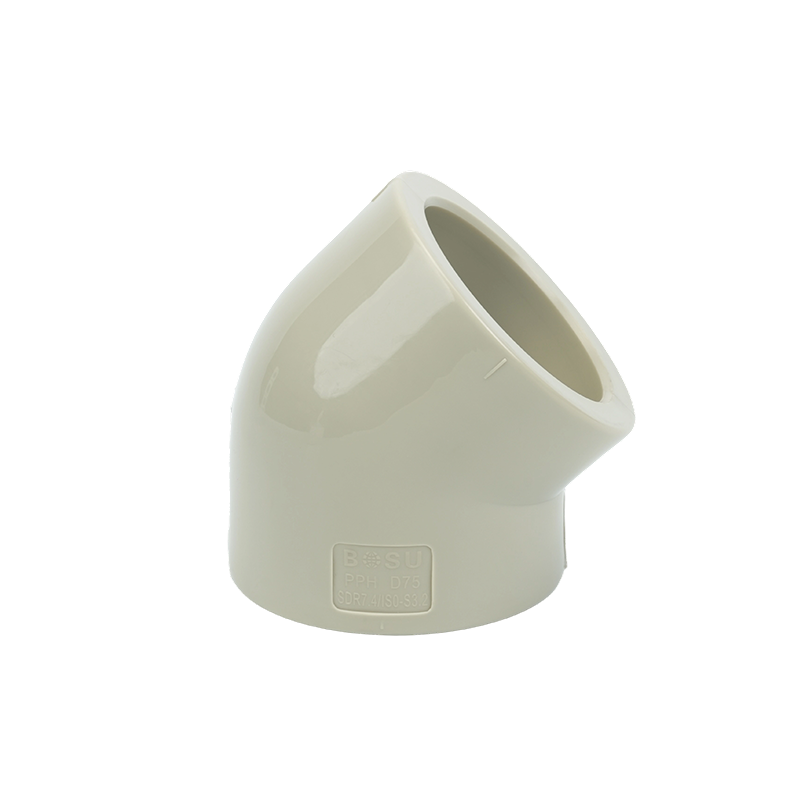
1.この継手は、パイプラインの方向を45度の角度で変更するために使用されます。滑らかな内腔により流れ抵抗が最小限に抑えられ、目詰まりしにくくなってい...
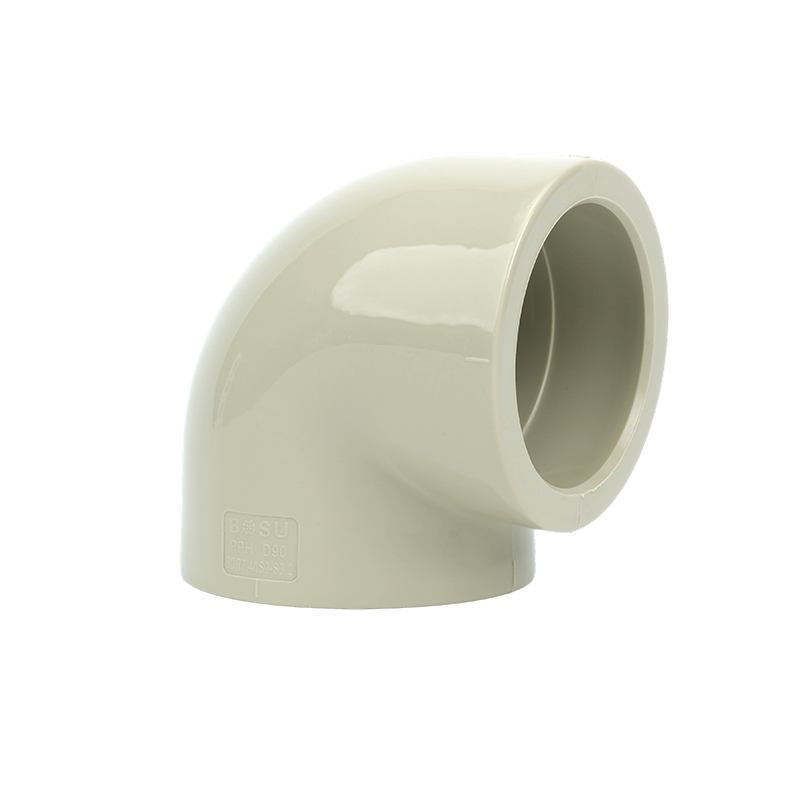
1. この継手はパイプラインの 90 度の方向変更用に設計されており、分岐ラインを含む用途に適しています。 2. 製品仕様: DN15 (D20)、...
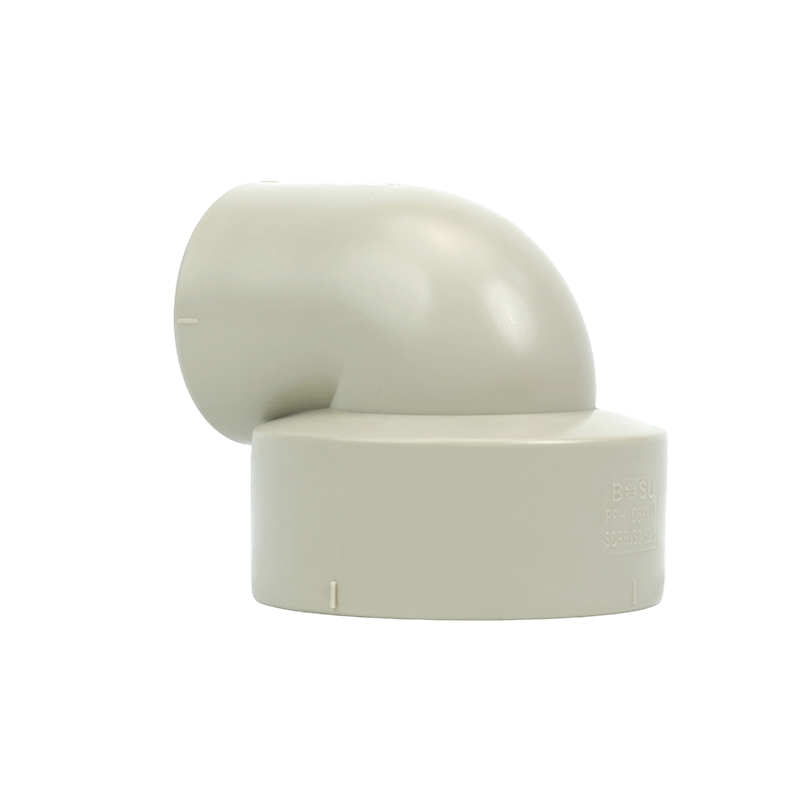
1. 径の異なる2本の配管を接続し、流路を短縮しながら90度の方向転換を実現する継手です。 2. 製品仕様: DN20*15 (D25*20)、DN...
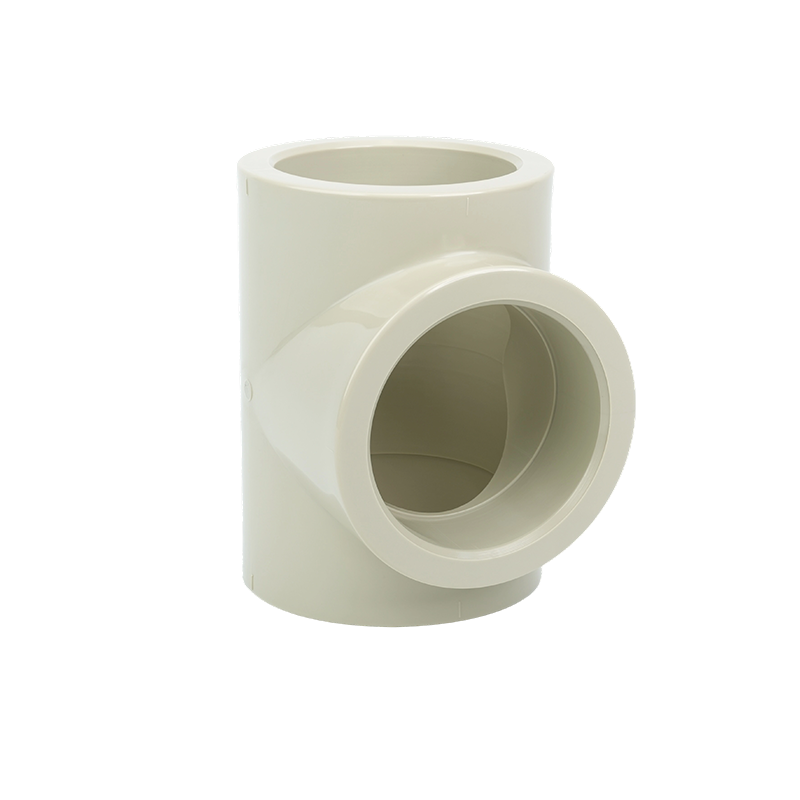
1. 管路継手の一種で、本管から分岐する必要がある箇所に使用され、分岐管が本管に対して直角である場合に適しています。 2. 製品仕様: DN15 (...
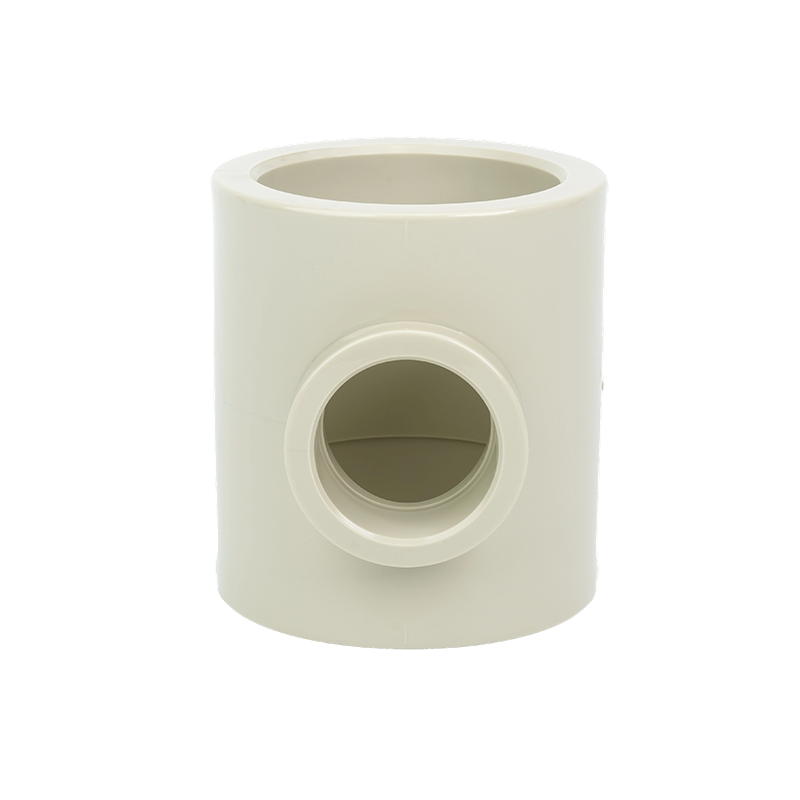
1.本管から分岐管を作成するための継手で、枝管が本管に対して直角で異径の場合にも接続できます。 2. 製品仕様: DN20*15 (D25...
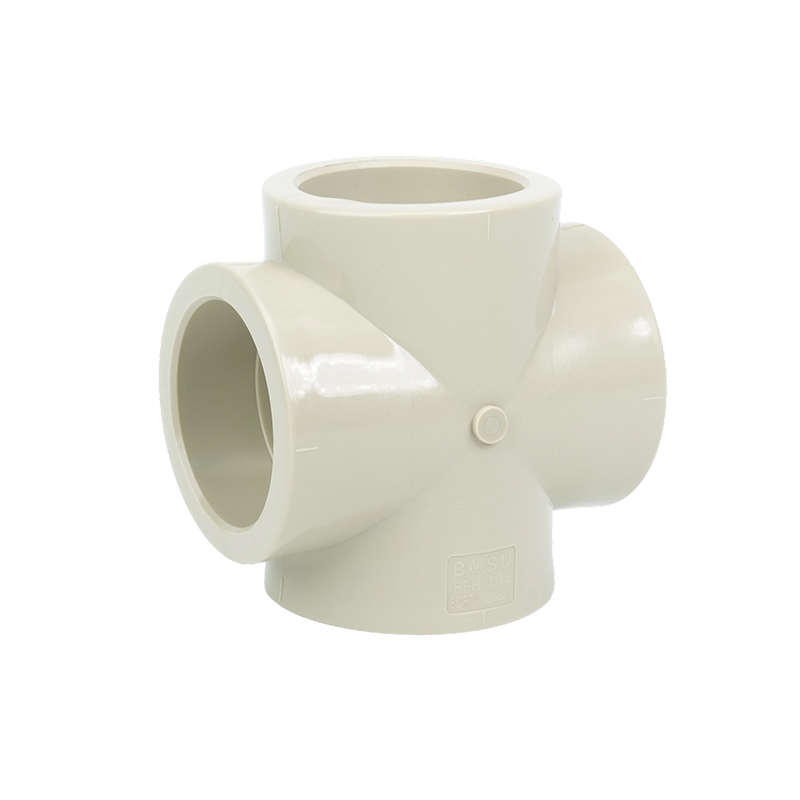
1. 直交する同径のパイプ4本を接続するのに使用します。 2. 製品仕様: DN15 (D20)、DN20 (D25)、DN25 (D32)、DN3...
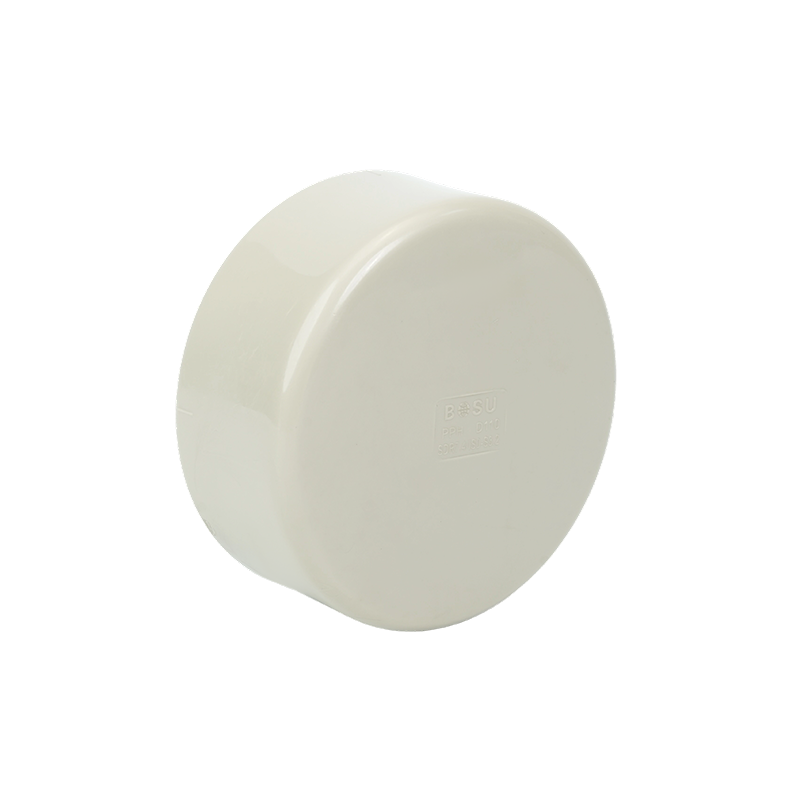
1.耐久性、耐食性、軽量、パイプラインのシールに使用されます。分解を必要としない用途に適しています。 2. 製品仕様: DN15 (D20)、DN2...
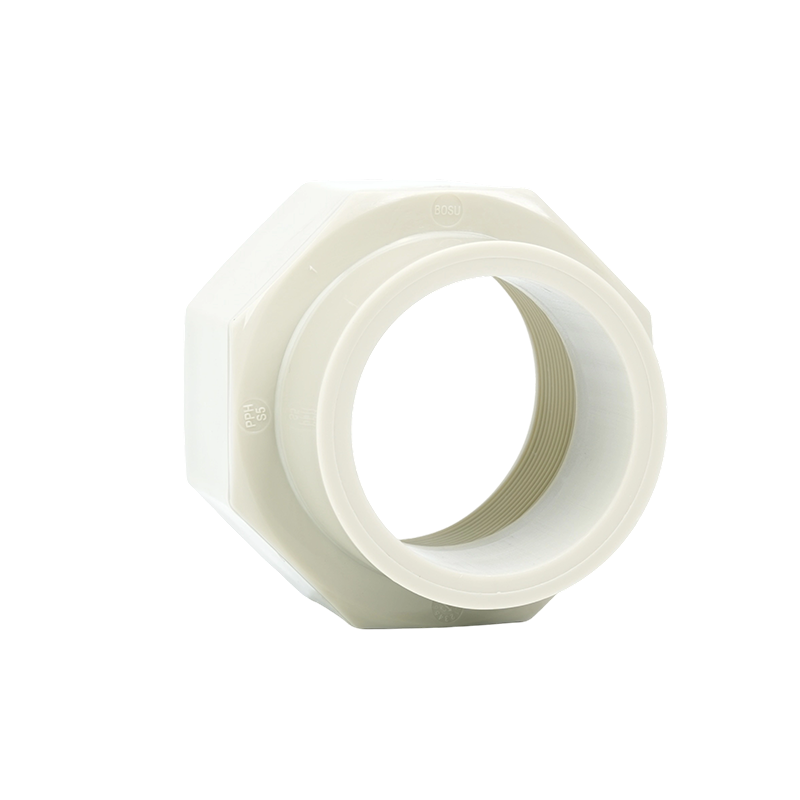
1. この製品は、迅速、安全、効率的な取り付けが特徴です。滑らかな内壁と外壁により、輸送時の流体抵抗が最小限に抑えられ、エネルギー消費が低く抑えられます。...
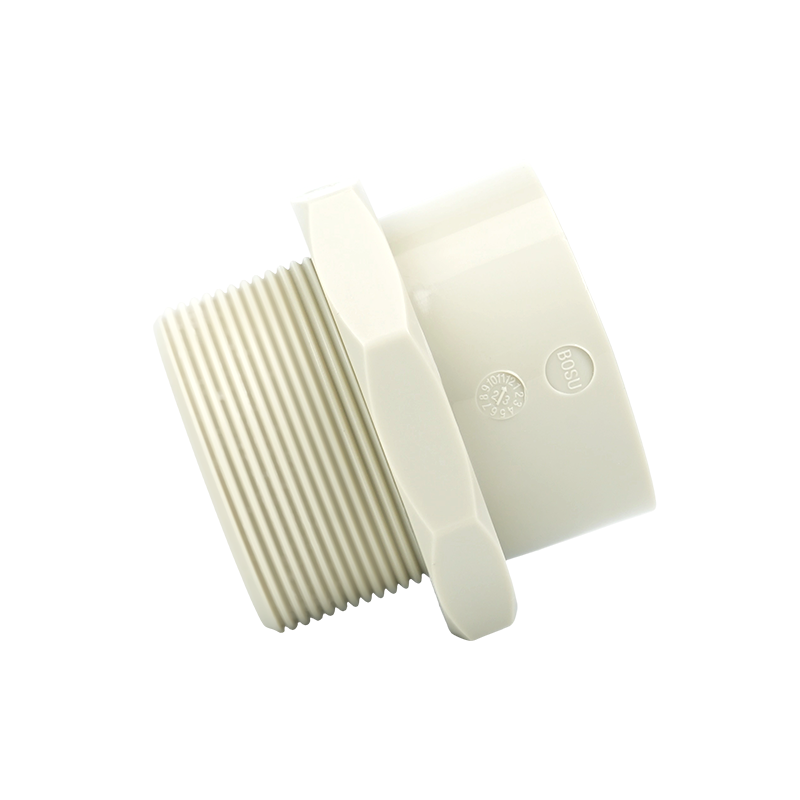
1. 高速接続、高耐圧、良好なシール、安全で信頼性の高い作業。 2. サイズ仕様: DN15 (D20)、DN20 (D25)、DN25 (D32)...
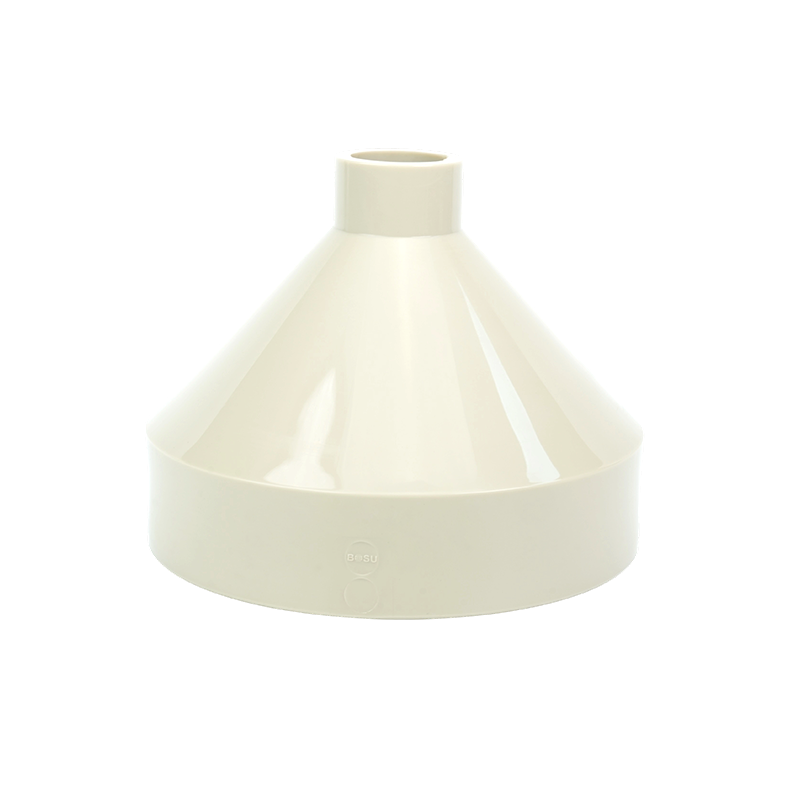
1.流体の流れを促進し、直径が変化しても流れの乱れが少なくなります。このため、同心減速機がガスおよび垂直液体パイプラインに使用されます。 2. 製品...
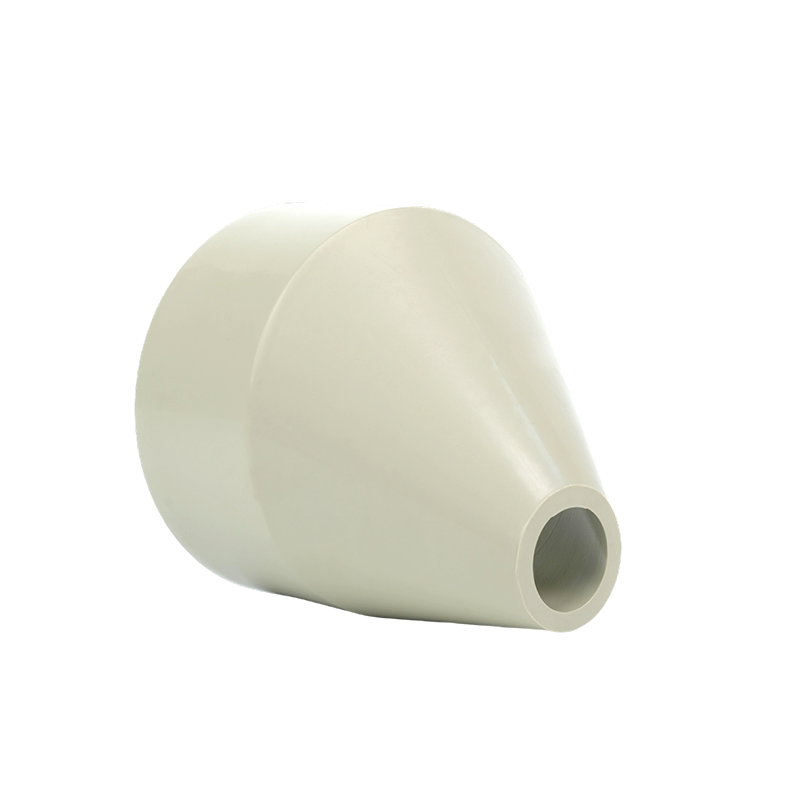
水平パイプに使用します。平らな面 (上面または底面) により、空気の排出や液体の排出が容易になり、メンテナンスが簡単になります。通常、空気の除去を助...
化学プラントの停止作業員には、再稼働までに 1 つの仕事が残されていました。それは、完全に溶接された PPH ラインの 12 メートル内側にあるバルブの漏れのあるガスケットを交換することです。パイプを切断するということは、新しいスプール、新しい溶接、冷却待機、そして 2 回目の圧力テストを意味し、余裕のないスケジュールでさらに 4 時間かかりました。バルブ入口にプラスチック パイプ ユニオンが 1 つあれば、ストラップ レンチ 1 つでこの作業が 10 分で済むはずです。 これが組合の実際のケースであり、単価よりも仕様の方が重要である理由はここにあります。プラスチック製パイプ ユニオンの選択は、パイプに適合す...
もっと見るプラスチックボールバルブを「売っていますか?」と聞いて購入する。これが、プロジェクトが二重に支払うことになる理由です。プラスチック製ボールバルブが 5 年間静かに動作するか最初に故障するかを実際に決定するのは、本体の材質、シールエラストマー、およびバルブ本体とパイプの接続方法であり、見積書の単価ではありません。 短い答え: まず材料を媒体、温度、ライン圧力に合わせ、接続タイプを既存の配管に合わせてから、バルブが手の届く範囲にあるかどうかに基づいて作動を選択します。ブランド、色、パッケージングなど、その他すべては二の次です。 プラスチック製ボールバルブの寿命を決めるものは何です...
もっと見るフィッター 2 名、PVDF パイプ 2 個のコイル 1 つ、DN 50 フランジ アダプターの箱 1 つ。すべてが予定通りに到着しますが、適合するものはありません。パイプの外径は 60.3 mm ですが、アダプターの外径は 50 mm に機械加工されています。どちらのラベルも間違っていません。部品は単純に 2 つの異なるサイジング システムに属しており、IPS はほとんどのプロジェクト チームを引き付けるものです。 まず短い答えを示します。 IPS (Iron Pipe Size) は、北米の公称呼称です。 1/2 インチ以降は、名前の数字は外径や内径と一致しません。修正するのは外径で、スチール パイプから...
もっと見るWhat is Plastic Pipe Fitting?
Plastic pipe fittings are standardized components used to connect, redirect, seal, or distribute fluids in pipelines.
1. Common Shapes: T-joints, elbows, tees, flanges, caps, crosses, connectors, etc., to meet the needs of different pipeline layouts.
2. Material Advantages: Made of high-polymer materials (such as PE, PP, PVC, PVDF, etc.), they are lightweight, corrosion-resistant, wear-resistant, and easy to process.
3. Functional Role: In pipeline systems, they provide stable connections, change flow direction, divert flow, or seal off conduits, ensuring the safety and efficiency of media transportation.
4. Industry Value: They are fundamental components in building water supply and drainage, gas transmission, industrial pipelines, and power systems; almost all pipeline projects rely on plastic pipe fittings.
What are the common application scenarios of plastic pipe fittings in building water supply and drainage, gas transmission, and power pipelines?
1. Building Water Supply and Drainage Systems
Hot and Cold Water Piping: Tees, elbows, flanges, etc., made of PE, PP, or PPR materials are used for the distribution and redirection of hot and cold water.
Sewage and Rainwater Systems: PVC or HDPE pipe fittings are used for sewage and rainwater collection, resistant to acids and alkalis, and high temperatures, preventing leaks.
Sanitary Fixture Connections: Quick-connect couplings and flange caps simplify the installation and maintenance of toilets, washbasins, and other equipment.
2. Gas Transmission Systems
Urban Gas Piping Networks: Pressure-resistant and flame-retardant PE-RT or PA-12 pipe fittings (such as elbows and tees) are used to ensure the safe transmission of high-pressure gas.
Industrial Gas: In production lines requiring high cleanliness, such as those in chemical, semiconductor, and photovoltaic industries, metal-lined plastic pipe fittings are used, combining corrosion resistance and pressure resistance.
Leak Detection: Special flanges and gaskets are used for rapid leak detection and maintenance.
3. Electrical Conduits (Cable Trays, Pipe Laying)
Cable Protection Pipes: Flame-retardant PVC or PE fittings are used to prevent cables from getting damp and mechanically damaged.
Cable Tray Connections: Plastic elbows and tees are used for cable tray turning and branching, ensuring neat and safe cable laying.
Fire Resistance and Flame Retardancy: Flame-retardant plastic fittings conforming to IEC and GB standards maintain structural integrity in high-temperature environments.
How to determine the pressure resistance, temperature resistance, and chemical corrosion resistance of Plastic Pipe Fitting Series?
1. Check the Material Data Sheet
Pressure Resistance: The material's yield strength, ultimate pressure (MPa), and operating temperature range are key factors.
Temperature Resistance: Determine the material's maximum operating temperature (Tmax) and minimum operating temperature (Tmin). For example, PE-RT can be used from -40°C to +95°C, and PVDF can reach +150°C.
Chemical Resistance: The material's resistance to acids, alkalis, salts, and solvents is typically presented through test results according to standards such as ASTM D543 and ISO 175.
2. Actual Testing and Certification
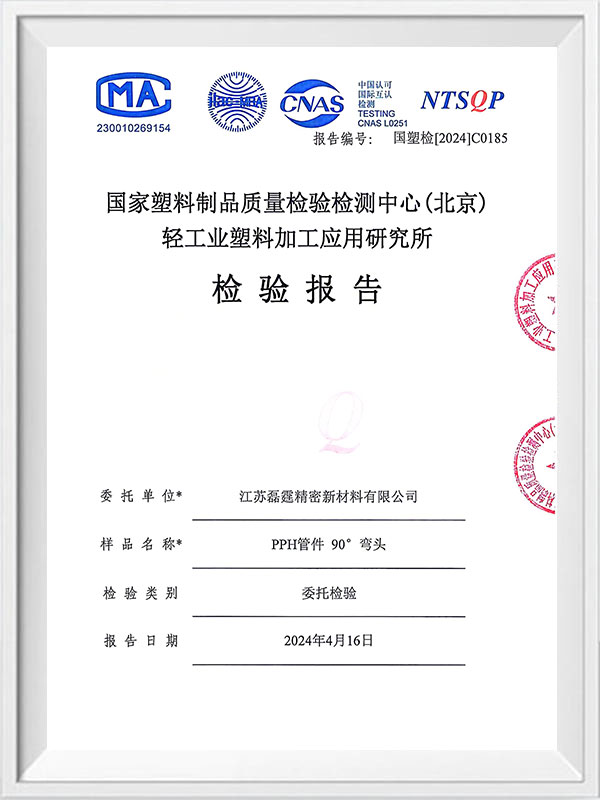
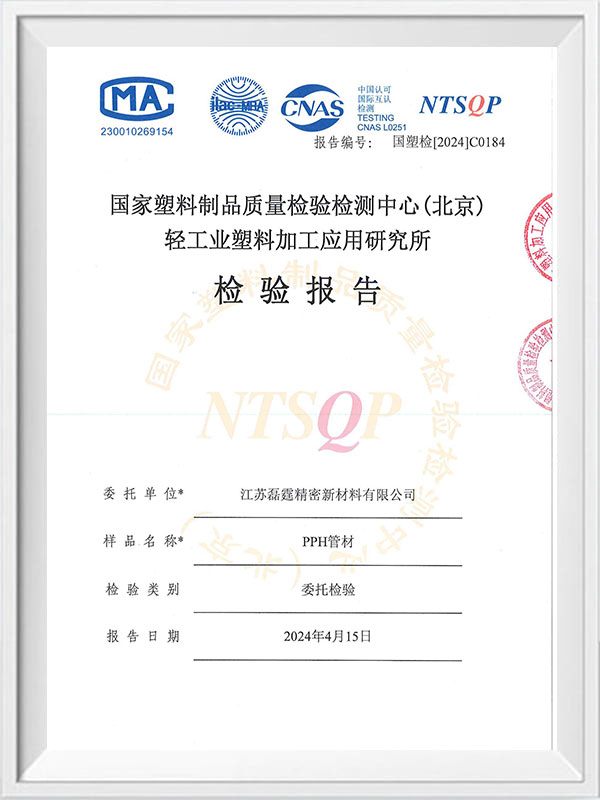
Pressure Testing: Hydrostatic or pneumatic pressure tests are conducted according to standards such as ISO 4427 and GB/T 10002 to ensure that the pipe fittings do not leak at 1.5–2 times the rated pressure.
Thermal Aging Test: Aging is performed at high temperatures for 1000 hours or longer, and changes in dimensions and strength are observed.
Chemical Corrosion Test: The pipe fittings are immersed in the target medium (such as sulfuric acid, hydrofluoric acid, hydrochloric acid, etc.) to assess mass loss and surface changes.
3. Reference Industry Certifications and Patented Technologies
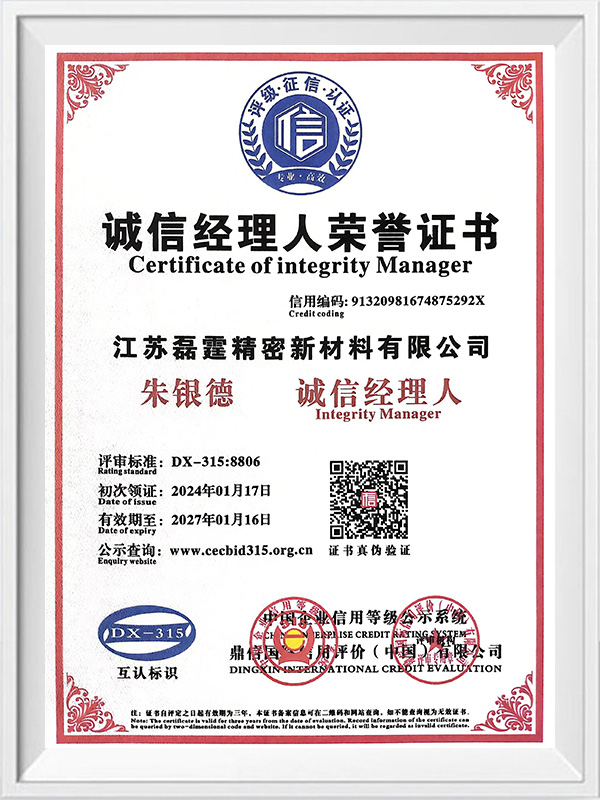
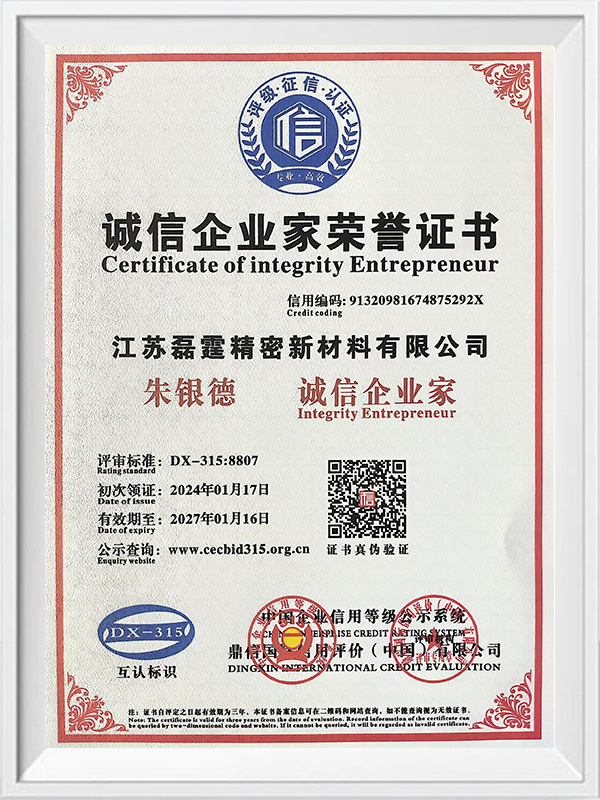
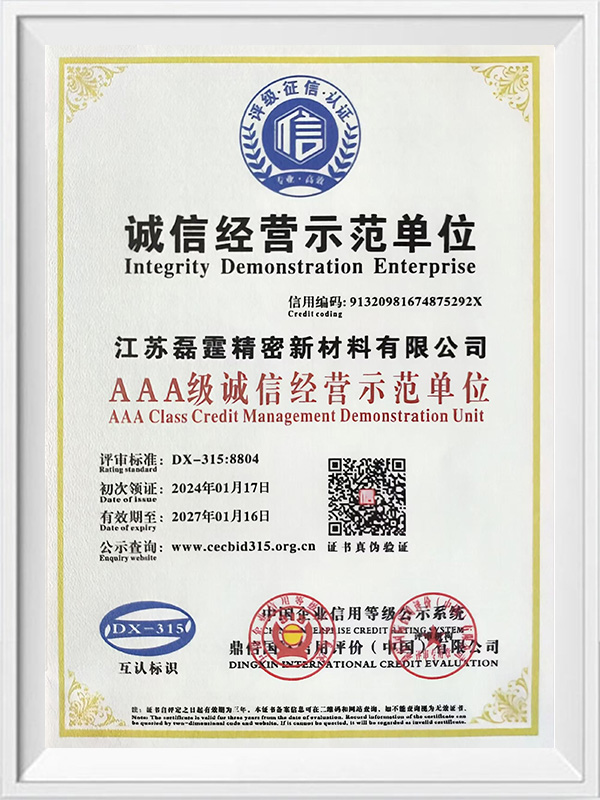
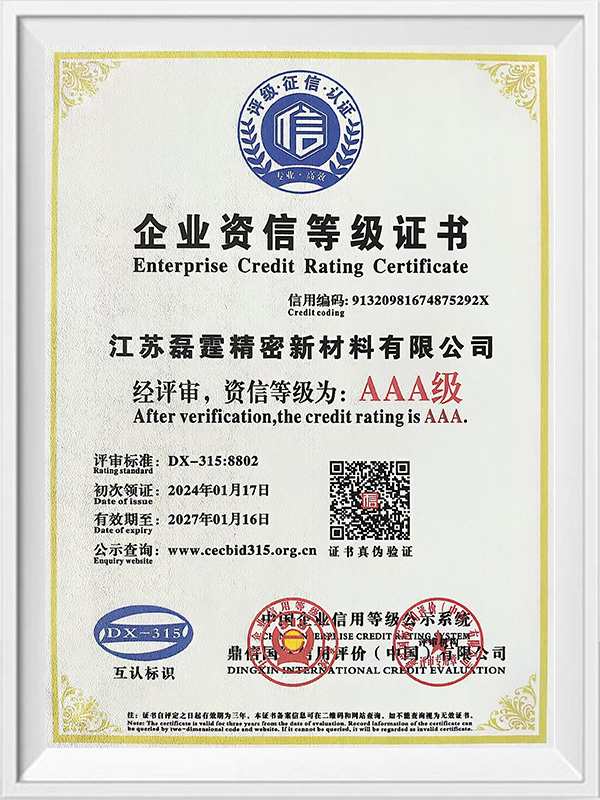
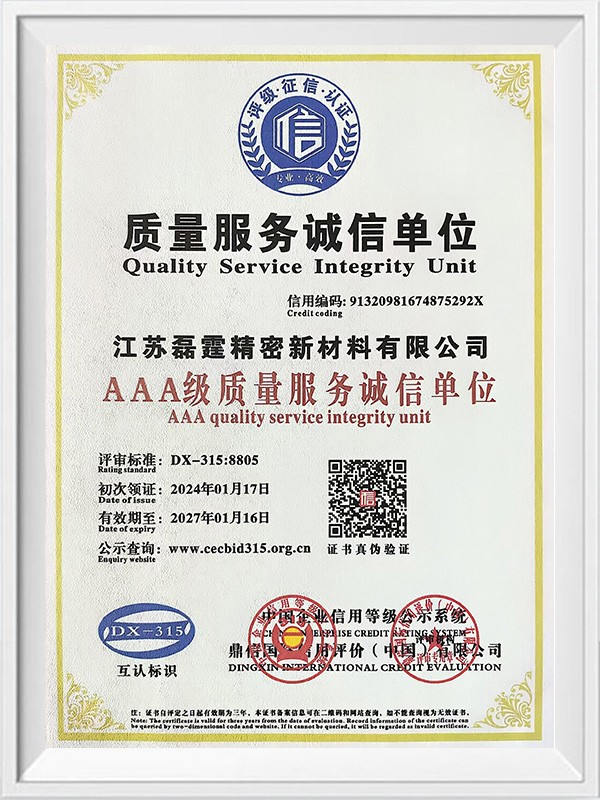
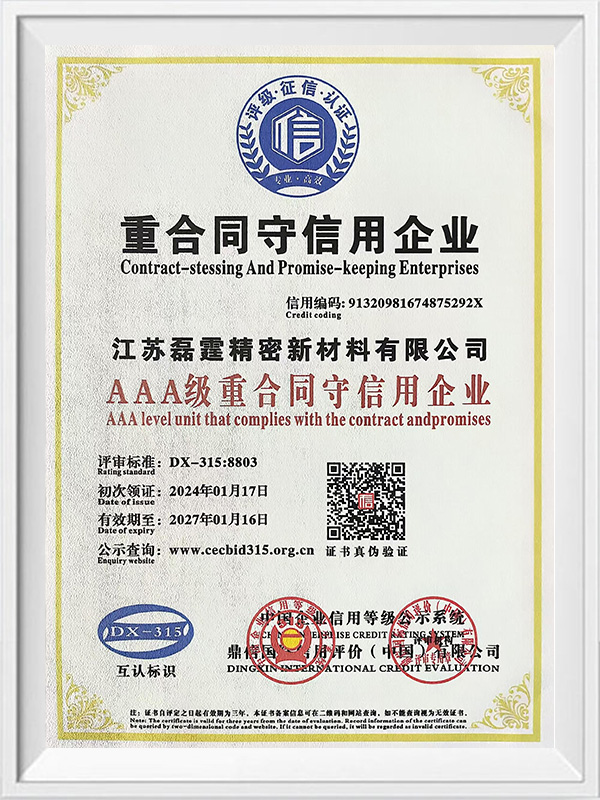
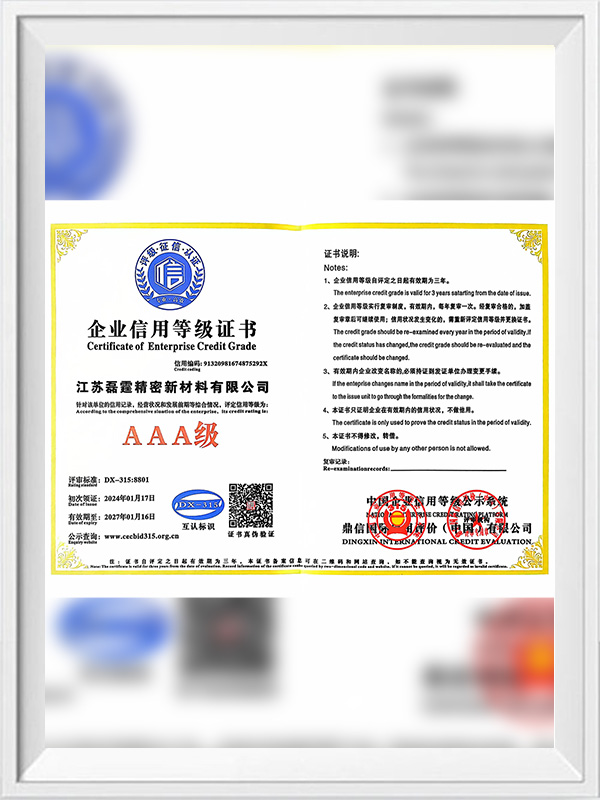
Certification Marks: CE, UL, ISO9001, ISO14001, and other certifications indirectly indicate that the product has passed rigorous quality and environmental control.
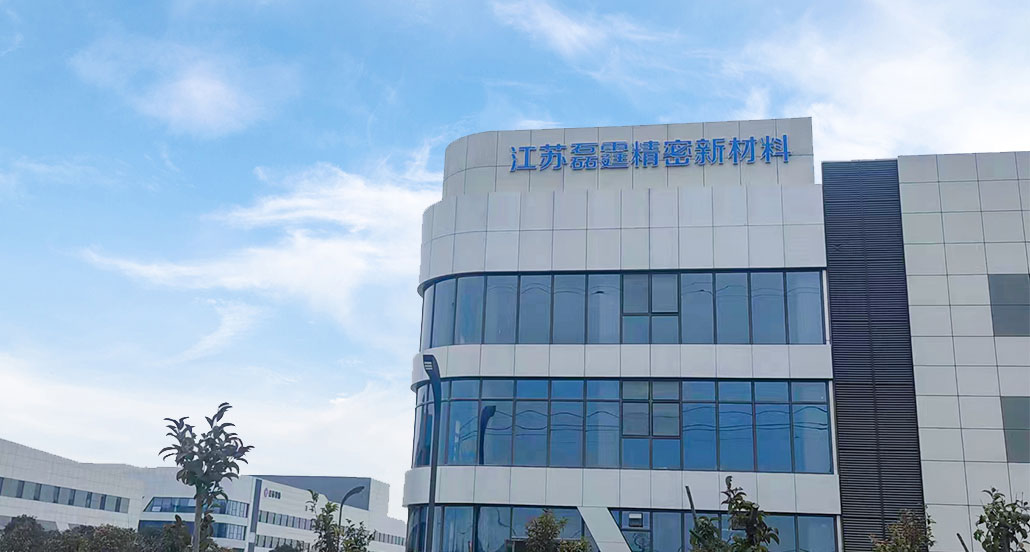
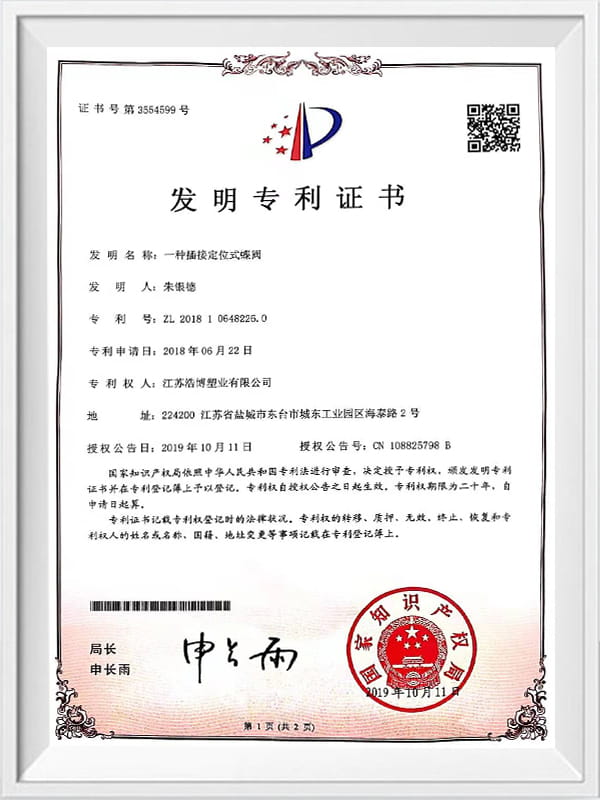
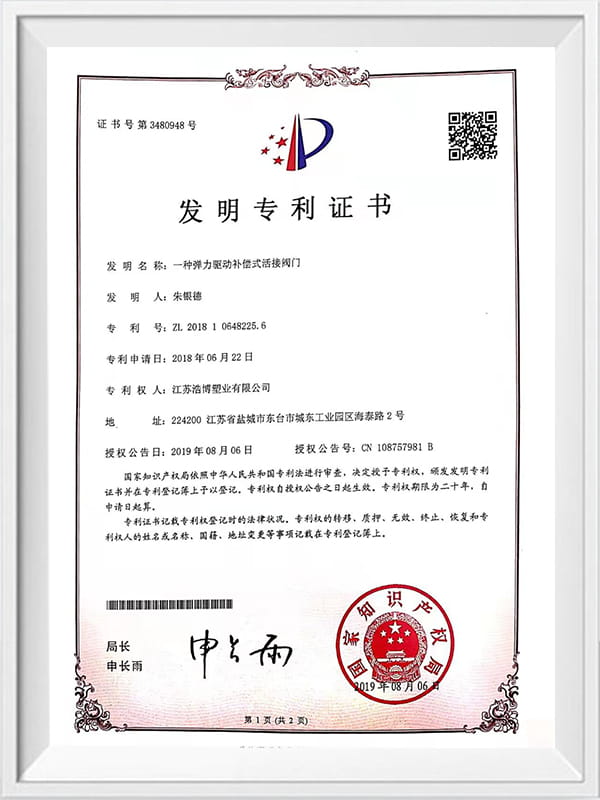
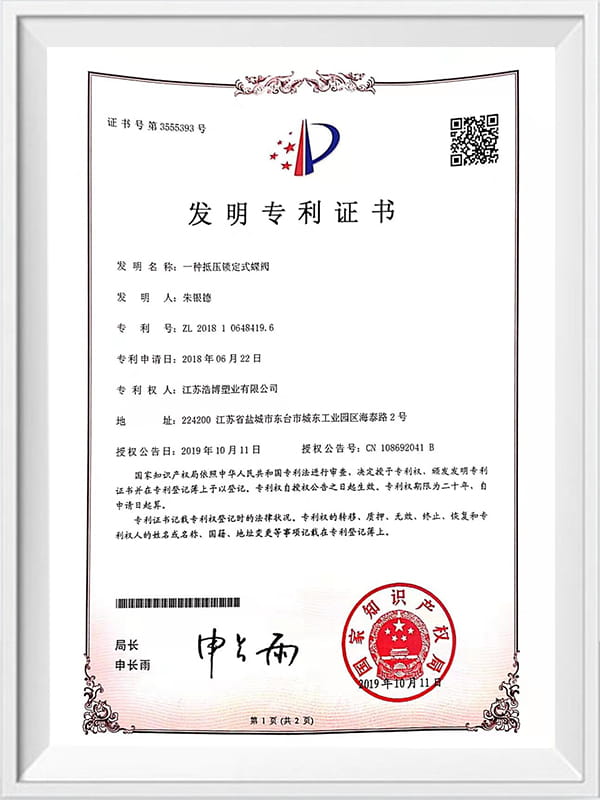
Patent Support: Jiangsu Leiting Precision New Materials Co., Ltd. holds 81 patents (including 36 invention patents), many of which involve high-pressure, high-temperature resistant composite materials and chemically resistant structural designs, serving as strong evidence of technological reliability.
